Frequently Asked Questions – Galapagos Islands, Ecuador (updated 12 October 2025)
Guidance compiled from volunteer questions about arriving, living, working, and traveling while you are with Projects Galapagos.
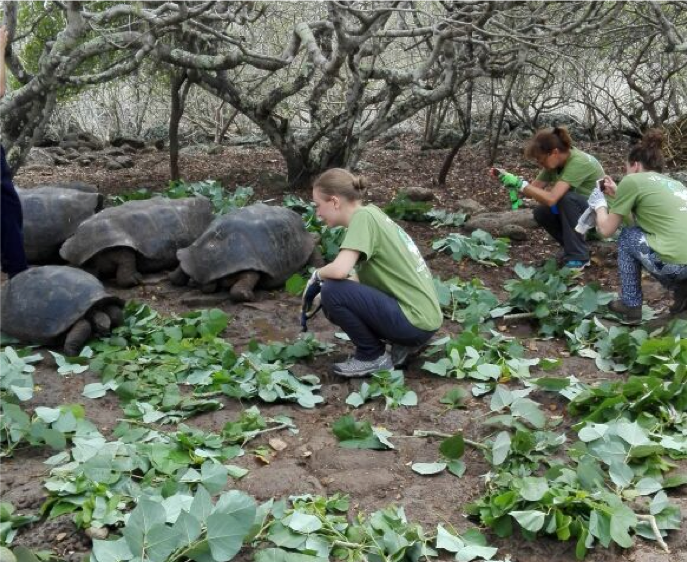
Everything you need to know about preparing for Projects Galapagos in San Cristobal—packing, money, health, safety, and daily life.
Guidance compiled from volunteer questions about arriving, living, working, and traveling while you are with Projects Galapagos.
Bring your own towels. Pillows and sheets are provided by host families and at the Eco-Reserve. A sleeping bag or liner is only needed if you plan to stay in hostels while traveling.
No. Malaria is not an issue in the Galapagos Islands.
US dollars are Ecuador’s official currency. Bring some cash plus VISA or MASTERCARD (not Maestro) for ATMs. Cards must have a chip and a 4-digit PIN; daily withdrawal limits may be lower than at home.
Cards are accepted at some shops and restaurants, often with surcharges up to 25%. Three meals are included at your accommodation; budget extra for snacks, trips, and optional meals. Burgers run $8–$20. Island ferries are about $35 one-way; hostels $25–$35; set lunches ~$6, dinners ~$7. Carry cash when visiting other islands where cards/ATMs can be unreliable.
We cannot give medical advice—please consult your doctor. Reference: Fit for Travel Ecuador. No specific vaccines are required for the Galapagos. Bring enough prescription medication for your entire trip and carry it in your hand luggage. Check Ecuador’s current COVID requirements before travel.
Gifts are optional. If you bring something, consider chocolate, biscuits, small games, or souvenirs from your hometown. For placements, art supplies (markers, pens, Blu Tack) or used tablets/laptops are helpful—check with William first.
A backpack is easiest for conservation work or independent travel. Use a smaller daypack for daily essentials and weekend trips.
Hot, wet season (Dec–May/Jun): around 30°C, sunny with short heavy showers; nights can be cool, so pack a light sweater.
Cool, dry season (May/Jun/Jul–Dec): warm overall; weather shifts near season edges. The Eco-Reserve is higher and more humid than coastal areas.
Spanish is spoken at home; English is rare. Spanish is not required but will make your stay smoother.
No. Tap water is fine for brushing teeth and showering. Host families and the Eco-Reserve provide safe drinking water.
Education and Care: Smart-casual; avoid low necklines, tank tops, beach shorts, or miniskirts.
Conservation: Long pants and sleeves, durable fabrics, good walking shoes/boots, hat, sunglasses. Wellington boots can be bought locally.
Sports: Standard sportswear and trainers; keep shorts/tops modest.
Type A (flat 2-pin). Voltage: 120V and 240V.
Some placements close on holidays; use the time to enjoy local festivities. Ecuadorian holidays are usually single days rather than long breaks.
Yes. Buy a local SIM (ensure your phone is unlocked) or use Wi‑Fi. Speeds can be slower than at home. WhatsApp calls are free over data/Wi‑Fi.
Laundromats are available; some families can wash clothes if you provide detergent. Laundry service is offered at the Eco-Reserve.
Conservation volunteers use arranged transport to project sites (about 10–45 minutes). Other placements are usually walkable or a short ride.
Ask William for local-price bookings—online prices are higher and card payments can add ~27%. Popular options:
Use common travel sense. At Quito or Guayaquil airports, arrange official taxis or hotel transfers; counters inside the airport are safest. Ensure travel insurance covers emergencies, evacuation, COVID, and belongings. If luggage is delayed, file a report and include William’s contact.
Call Projects Galapagos staff first (24/7). On San Cristobal: Hospital Oskar Jandl, phone +593 5 2520 332 / 2520 935 / 2521 210, address: Calle Jaime Roldós y Juan Pablo II. A staff member can accompany you to translate. Keep receipts for insurance.
Crime rates are low. Lockable safety boxes are available with host families and in the office.
Water: Use provided bottled/purified water for drinking.
Dehydration: Heat—especially Mar–Jul—can exceed 30°C; drink water often and use rehydration salts if needed.
Yellow fever: San Cristobal is free of yellow fever; other parts of Ecuador are not.
Prioritize safety, then contact William as soon as possible. Show others his number if you cannot call. Police 101; Fire 000.
Taxis are cheap, safe, and reliable. Many places are walkable; bikes are available to hire. We arrange transport when needed.
Usually walking or our arranged transport. We show routes on induction day and aim to keep placements nearby.
Ecuador is conservative about public displays of affection. Avoid revealing clothing when teaching or working. Alcohol/drug use is not accepted.
Predominantly Christian (Catholic, Seventh Day Adventist, Pentecostal).
Host family stays with airport pickup/drop-off can be arranged; pay the family directly. Contact William for details.
Yes—if you can coordinate activities (e.g., yoga), discuss with William.